

We Can Reduce Gun Violence
A look into how just 10-minutes can change lives for the better.


A Quick Message from Our Team
For nearly a decade, Behavioral Grooves has shared stories from the frontiers of behavioral science — with no ads, no sponsors, and no outside influence. We do this because we believe science communication should stay independent. If you’d like to help us continue, please consider becoming a paid subscriber or making a one-time contribution.
This Week’s Music for Grooving
Check out some of the recommendations from this week’s episode
Chappell Roan - Red Wine Supernova
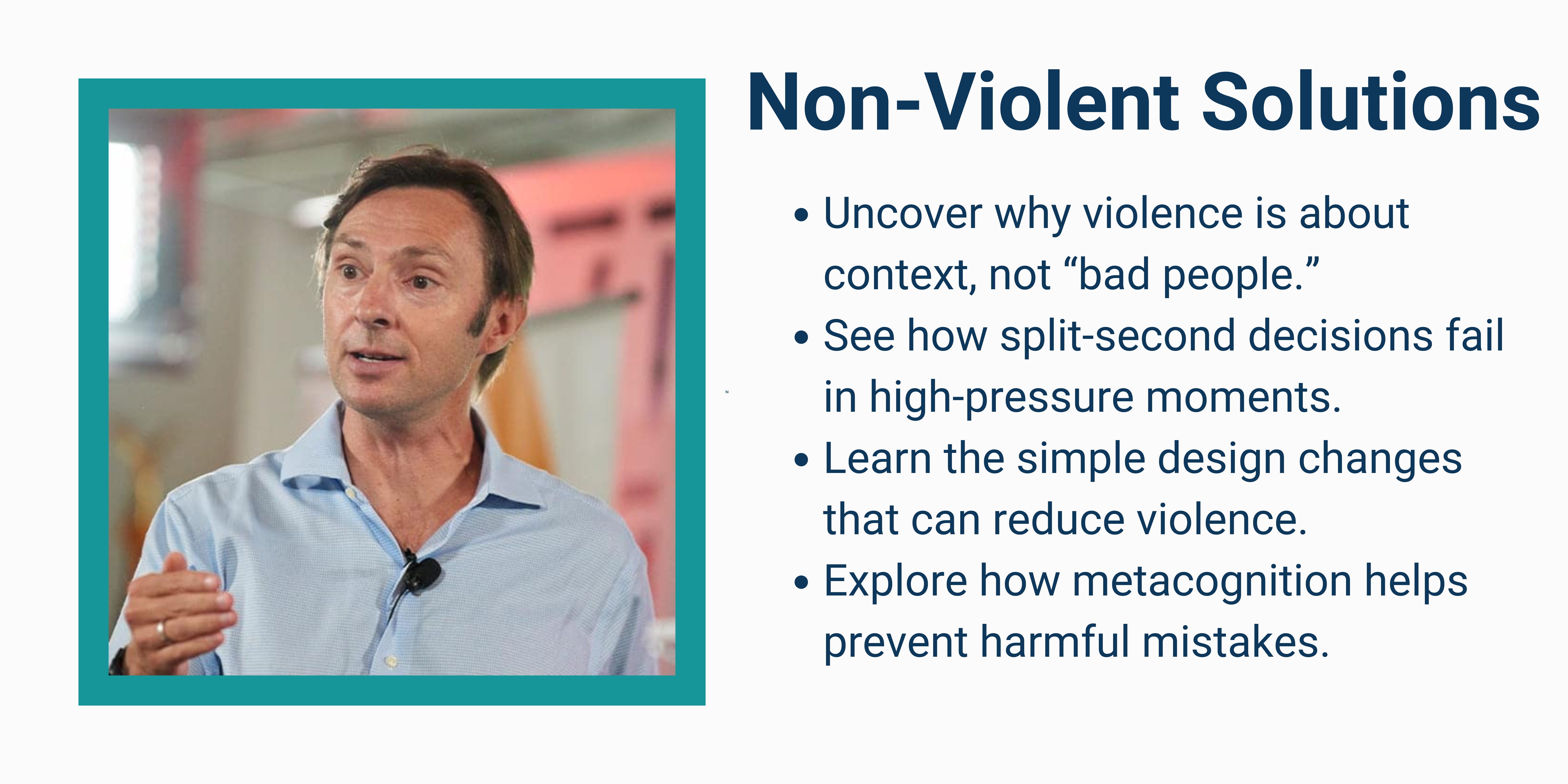
We often frame violence in America as a battle between “good” and “bad” people,
But what if evil people didn’t commit the majority of the acts of violence, but ordinary people caught in high-stress situations? We sit down with University of Chicago professor and Crime Lab director Jens Ludwig to challenge our most entrenched assumptions about crime and uncover what behavioral science reveals about the real causes of violence.
Drawing on decades of research, Jens explains how unforgiving environments have more to do with the likelihood of violence than “character” flaws. People pushed into high-pressure situations make catastrophic decisions in tiny windows of time because of system-1 thinking, tunnel vision, and the curse of knowledge, which can shape violent outcomes. Most notably, we learn how changing just 10 minutes of someone’s life can redirect not only the trajectory of individuals, but the security of entire neighborhoods.
In this episode, we share something rare in the gun debate with you: hope. Jens outlines for us evidence-based, politically neutral, and applicable solutions that cities can implement with minimal overhead. From pocket parks and eye-on-the-street to behavioral interventions, there are ways that we can drastically reduce violence without waiting for sweeping political reform. If you care about safer communities, more innovative policymaking, or just want to understand human behavior better, our conversation with Jens will forever reshape how you view violence.
Want to watch this episode? Check it out on our YouTube Channel
Under Pressure
When we’re under high stress, our brain shifts control from deliberate System 2 thinking to fast, automatic System 1 thinking, which can increase the odds of making catastrophic mistakes.
Stress narrows our attention and makes us more likely to misinterpret the intentions of others, act impulsively, and default to binary responses like “fight or flight” (or freeze, fawn…etc). People are more likely to make life-altering decision in a matter of seconds because they feel unsafe or find themselves in high-pressure environments.
Teaching people to “go on tilt” like we discuss in the episode, can meaningfully reduce harmful split-second decision making. So if you find your animal-instincts peaking, take a breath, calm down, and buy back that critical time to reduce violence and risky behaviors.
Treating More Than Just Wounds
In this TED Talk, Dr. Ashley Hink dives into the devastating effects of gun violence in America, and how our healthcare system can do more than just treat the physical injuries caused by violence. Check out Dr. Hink’s video for a further look into some of the ways we can continue to break the cycles of violence and make our country a safer place.
Housekeeping
If you want to know more about today’s guest or this week’s grooving, check out the links below!
Unforgiving Places: The Unexpected Origins of American Gun Violence
And don’t forget to join the conversation with us in our Facebook Groove Community
 | A guest post by
|
There is so much here that is fantastic, from a learning perspective, and from the perspective of introspective behavior. I particularly enjoyed the post interview dialog. As to Gandhi, have you read his autobiography "My experiments with truth"? It's a great read. Keep on groovin'...